
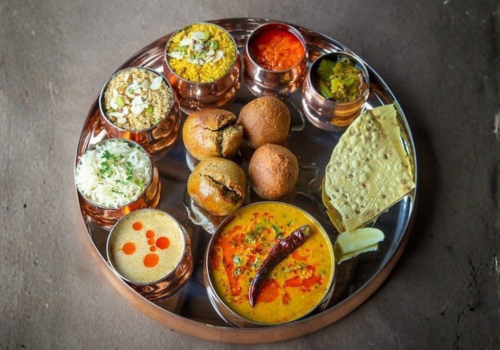
India’s food culture is incredibly diverse—shaped by generations of traditions, regional ingredients, seasonal practices, and time-tested cooking methods.
But as modern lifestyles become faster and more convenience-driven, many foods and preparation methods that were once a natural part of everyday life are slowly disappearing from our kitchens.
From homemade ghee to sun-dried Rajasthani foods and freshly hand-ground spices, these traditional foods carry more than just flavour. They carry memories, culture, knowledge, and a connection to our roots.
Here are some traditional Indian foods and food practices that deserve a place back in our everyday kitchens.
1. Homemade Ghee — A Tradition Worth Bringing Back
There was a time when making ghee at home was a familiar household practice.
Milk was traditionally cultured into curd, the curd was churned to obtain butter, and the butter was slowly heated until it transformed into aromatic golden ghee.
Today, convenience has made packaged ghee the more common choice for many households. While commercially produced ghee can certainly be convenient, the traditional process of making ghee at home represents something different—patience, craftsmanship, and a connection with the food we eat.
Why It Matters
Homemade ghee is not simply an ingredient. Traditionally, its preparation was a process passed down through generations.
From milk → curd → butter → ghee, every step was part of the culinary heritage of Indian households.
Traditional wisdom: Some foods were never meant to be rushed.
2. Sun-Dried Foods Like Sookhi Rabodi
Long before refrigeration and modern food preservation became common, Indian households developed ingenious ways to preserve seasonal ingredients.
One beautiful example comes from Rajasthan: Sookhi Rabodi.
Rabodi is a traditional sun-dried food associated with Rajasthan and other parts of western India. Prepared and dried under the sun, such foods were designed to be stored and enjoyed later.
This was more than a preservation technique—it was a practical response to the region’s climate and a way of ensuring that food could be enjoyed beyond its immediate season.
The Traditional Idea Behind Sun-Dried Foods
| Traditional Practice | Purpose |
|---|---|
| Preparing food in season | Make use of available ingredients |
| Sun-drying | Reduce moisture for longer storage |
| Natural preservation | Reduce dependence on modern refrigeration |
| Storing for later | Enjoy seasonal foods beyond their season |
| Traditional preparation | Preserve regional culinary knowledge |
Today, foods like Rabodi are increasingly associated with traditional households and regional communities rather than everyday urban kitchens.
Bringing them back means keeping this culinary knowledge alive.
3. Hand-Ground Spices — When Freshness Began at Home
Before packaged spice powders became a kitchen staple, spices were commonly ground at home.
Stone grinders, sil-batta, mortar and pestle, and traditional grinding methods were part of everyday cooking in many Indian households.
The process was slower—but it was also deeply connected to the cooking experience.
Freshly ground spices could be prepared according to the dish, quantity, and taste of the household.
Then vs. Now
| Traditional Kitchen | Modern Kitchen |
|---|---|
| Whole spices | Ready-made spice powders |
| Ground as needed | Stored for longer periods |
| Stone grinding & manual methods | Electric grinders & machines |
| Strong connection to the cooking process | Convenience-focused preparation |
| Small-batch preparation | Packaged, standardized quantities |
Modern spice powders offer convenience, but traditional grinding reminds us that the preparation of food can be part of the experience itself.
4. Naturally Fermented Foods
Fermentation is one of the oldest food traditions in India.
Long before fermentation became a popular modern food trend, Indian households were already using natural fermentation in everyday cooking.
Curd, pickles, dosa and idli batters, kanji, and several regional foods are examples of traditional preparations where fermentation plays an important role.
The process was often simple: prepare the ingredients, allow time for natural fermentation, and let the process transform the food.
Why Traditional Fermentation Is Special
Natural fermentation represents an important principle of traditional Indian cooking:
Time can be an ingredient.
Instead of trying to make everything faster, traditional food preparation often allowed ingredients to develop naturally.
What We Are Slowly Losing
The disappearance of traditional foods isn’t only about losing certain dishes from our menus.
We can also lose the knowledge behind those dishes.
| What Is Being Lost | What It Represents |
|---|---|
| Traditional recipes | Family knowledge |
| Regional ingredients | Local biodiversity |
| Cooking techniques | Generational skills |
| Preservation methods | Practical wisdom |
| Seasonal food practices | Connection with nature |
| Traditional flavours | Cultural identity |
A recipe written in a book can preserve the ingredients.
But a tradition survives only when people continue to practise it.
Why Traditional Foods Deserve a Comeback
Bringing traditional foods back into our kitchens doesn’t mean rejecting modern life.
It simply means making room for some of the food traditions that helped shape Indian culinary culture.
🌾 Cultural Identity
Traditional foods tell stories about the communities, regions, climates, and people that created them.
👵 Generational Knowledge
Many recipes were passed from grandparents to parents and then to children—not through cookbooks, but through observation and practice.
🌞 Seasonal Wisdom
Traditional preservation methods often developed around local seasons and available ingredients.
❤️ Taste & Memories
Food is deeply connected with memories. A familiar aroma or traditional dish can instantly remind us of childhood, family gatherings, and home.
🪔 Regional Heritage
From Rajasthan’s sun-dried foods to fermented preparations across different parts of India, every region has its own culinary identity worth preserving.
Tradition Doesn’t Mean Going Backward
The goal isn’t to return completely to the past.
Modern life has given us convenience, technology, better storage, and easier access to ingredients.
But perhaps we don’t have to choose between tradition and convenience.
We can use modern tools while still preserving traditional foods.
We can buy packaged products while supporting traditional recipes.
We can live fast-paced lives while occasionally slowing down for the foods that connect us with our roots.
Progress doesn’t have to mean forgetting where we came from.
A Small Way to Keep Tradition Alive
You don’t have to completely change your lifestyle to reconnect with traditional Indian food.
Start small.
Try a traditional regional dish.
Use whole spices occasionally.
Explore an old family recipe.
Learn how a traditional food was prepared.
Choose regional foods that are slowly disappearing from everyday kitchens.
And most importantly, share these foods with the next generation.
Because every traditional recipe that continues to be cooked is a small piece of history that continues to live.
Bringing Traditional Flavours Back to Your Kitchen
At Marwadi Farm, we believe traditional foods deserve to remain a part of modern Indian kitchens.
Our range of traditional Rajasthani foods celebrates regional flavours and food traditions that have been enjoyed across generations.
From traditional preparations to regional favourites, each product is a reminder that some flavours are worth preserving.
🌿 Discover Traditional Rajasthani Foods
Explore Marwadi Farm’s range of traditional foods and bring a taste of India’s rich culinary heritage to your kitchen.
[Explore Traditional Rajasthani Foods →]
Final Thought
Traditional food isn’t simply about what our ancestors ate.
It is about how they cooked, preserved, shared, and respected food.
As our kitchens become faster and more modern, perhaps the best way to preserve our food heritage is not to leave the past behind—but to carry the best of it forward.